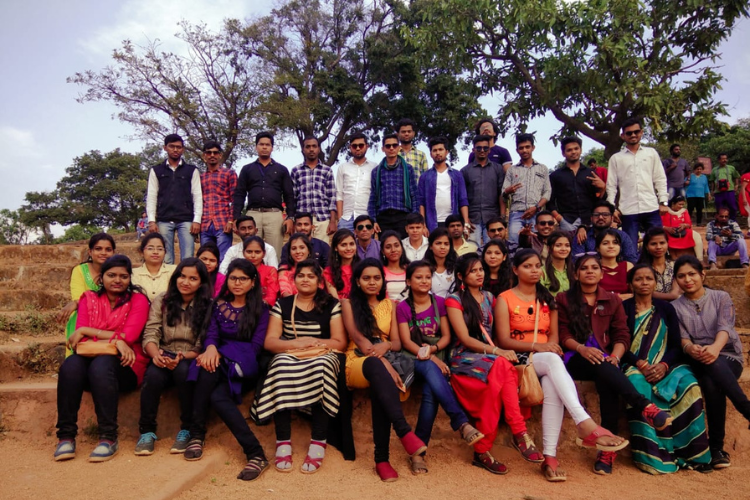
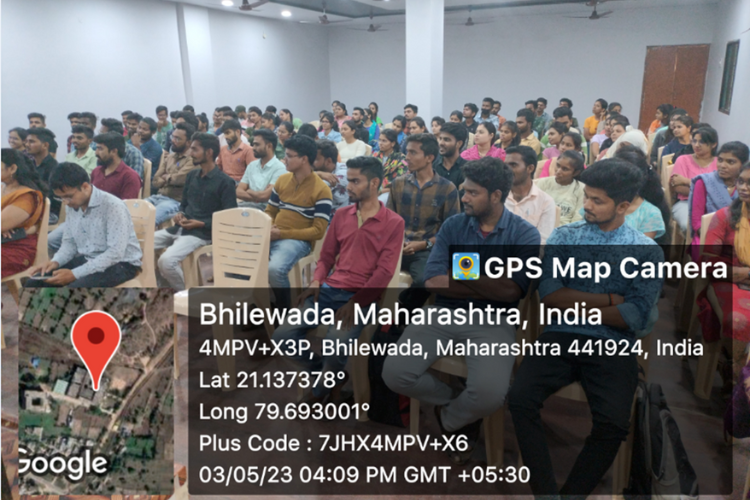


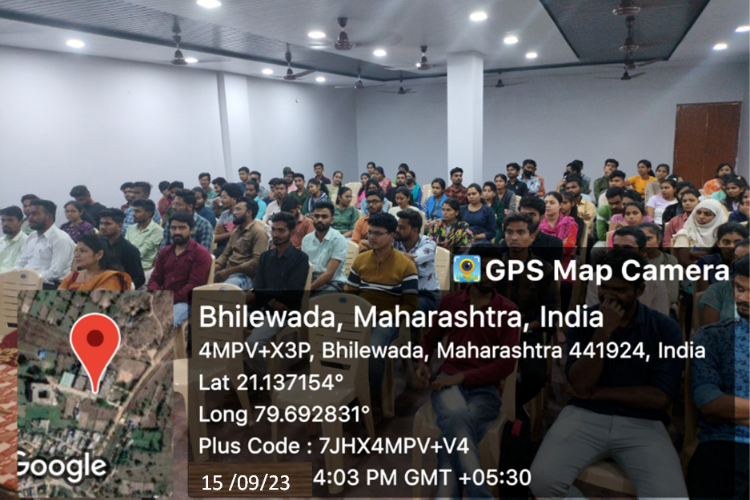

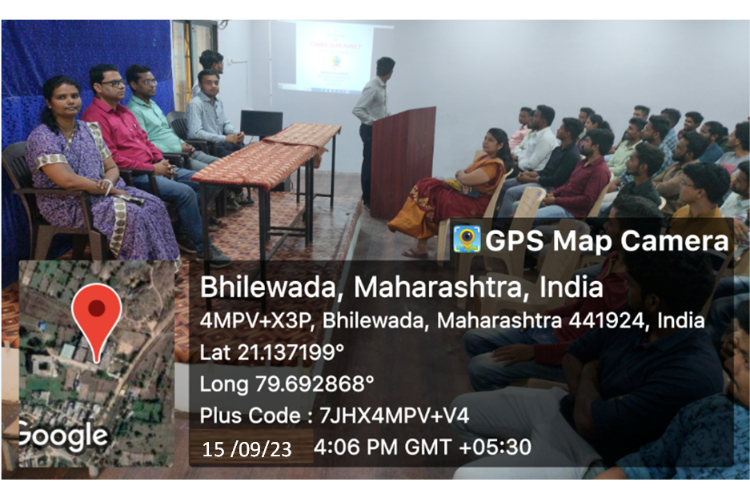

Inclusion and diversity in the classroom refer to creating an educational environment that values and respects the differences among students, promoting a sense of belonging for all individuals regardless of their background, abilities, or characteristics. This approach recognizes that every student brings a unique set of experiences, perspectives, and strengths to the learning community.
Key Components of Inclusion and Diversity in the Classroom:
Cultural Diversity: Embracing students from various cultural backgrounds fosters a rich tapestry of experiences within the classroom. This includes acknowledging and respecting cultural traditions, languages, and customs, creating an inclusive atmosphere where students feel seen and valued.
Learning Styles and Abilities: Recognizing and accommodating diverse learning styles and abilities ensures that every student has an equal opportunity to thrive. This may involve varied teaching methods, adaptive technologies, or additional support services to cater to the individual needs of students with different learning preferences or abilities.
Gender Equality: Promoting gender inclusivity involves creating an environment that does not perpetuate stereotypes or biases. It encourages equal participation, opportunities, and recognition for students of all genders, fostering an atmosphere where everyone feels empowered to express themselves.
Accessibility: Ensuring physical and digital accessibility within the classroom is crucial for accommodating students with disabilities. This involves making adjustments to the physical space, providing accessible learning materials, and utilizing assistive technologies to create an inclusive learning environment.
Social and Emotional Well-being: Prioritizing the social and emotional well-being of students is essential for creating a safe and inclusive atmosphere. Encouraging empathy, understanding, and open communication helps build positive relationships among students, fostering a supportive community within the classroom.
Representation in Curriculum: Including diverse perspectives in the curriculum helps students see themselves reflected in their learning materials. This can involve incorporating literature, historical events, and scientific contributions from a variety of cultures and backgrounds.
Equitable Assessment: Designing assessments that accommodate different learning styles and abilities ensures that students are evaluated fairly. This may involve offering alternative assessment methods and providing additional resources for students who require extra support.


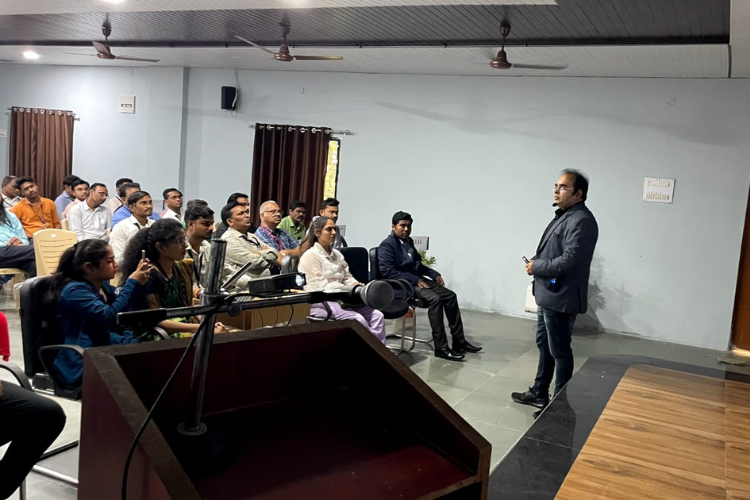

Teachers' Day in India is celebrated on 5th September to commemorate the birth anniversary of Dr. Sarvepalli Radhakrishnan. He was a renowned scholar, recipient of Bharat Ratna, first Vice-President, and second President of independent India. He was born on 5 September 1888. As an educationist, he was an advocate of edification and was a distinguished envoy, academician, and above all a great teacher.
Dr. Radhakrishnan became President of India in 1962. He was approached by some of his friends and students who requested him to allow them to celebrate his birthday on 5 September. Dr. S. Radhakrishnan responded, "Instead of observing my birthday discretely, it would be my pompous privilege if 5th September is scrutinised as Teachers' Day". Such a request coming from the President of India clearly showcased Dr. S. Radhakrishnan's affection and dedication to teachers. From then onwards, India celebrates Teachers' Day on 5th September.
As the common adage goes, the future of a country lies in the hands of its children, and teachers, as mentors, can mould students into future leaders who shape the destiny of India. They play an important role in our lives in helping us become successful in our careers and businesses. They help us to become good human beings, a better member of society, and an ideal citizen of the country. Teacher’s Day is celebrated to acknowledge the challenges, hardships, and special roles that teachers play in our lives.
1. Welcome Address: A brief welcome note expressing our gratitude for the contribution of teachers.
2. Student Expressions: Opportunity for students to share short speeches, poems, or messages expressing their appreciation for specific teachers.
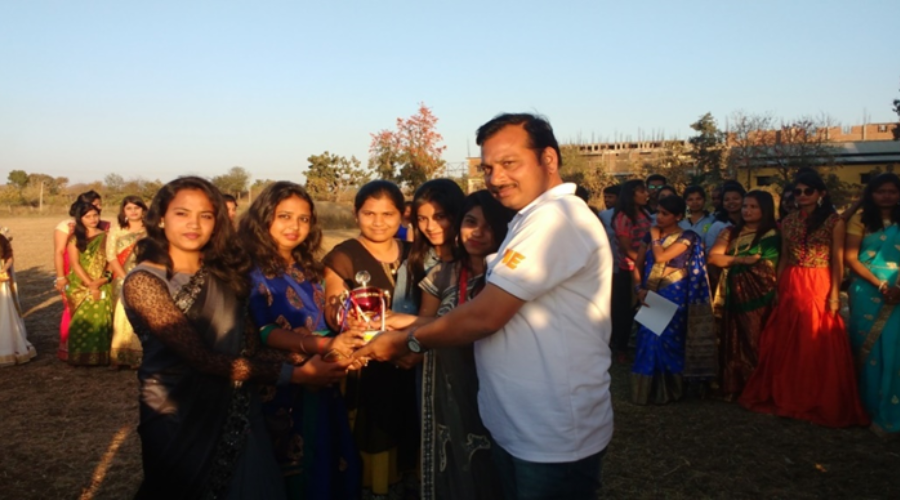
3. Gift Presentation: Presentation of tokens of appreciation to teachers from the MESA.
4. Interactive Session: Open floor for teachers to share their experiences and thoughts.
5. Cultural Performances: Entertainment segment featuring performances by students.
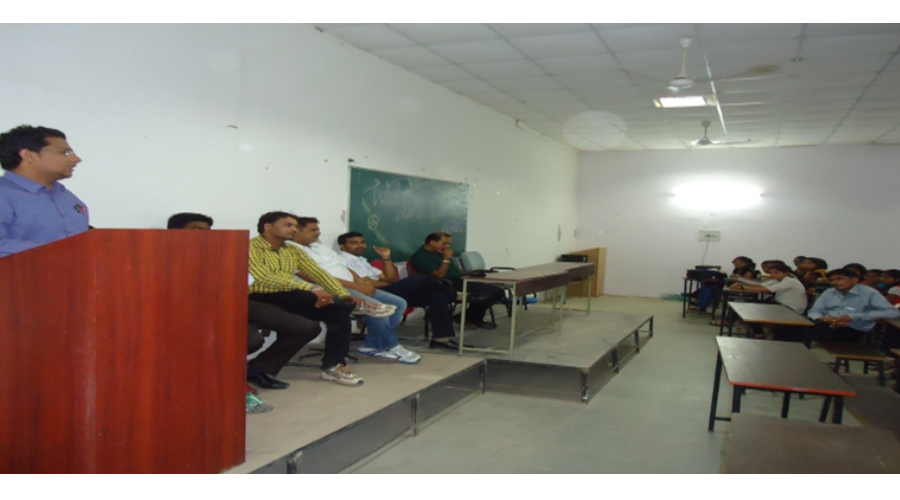


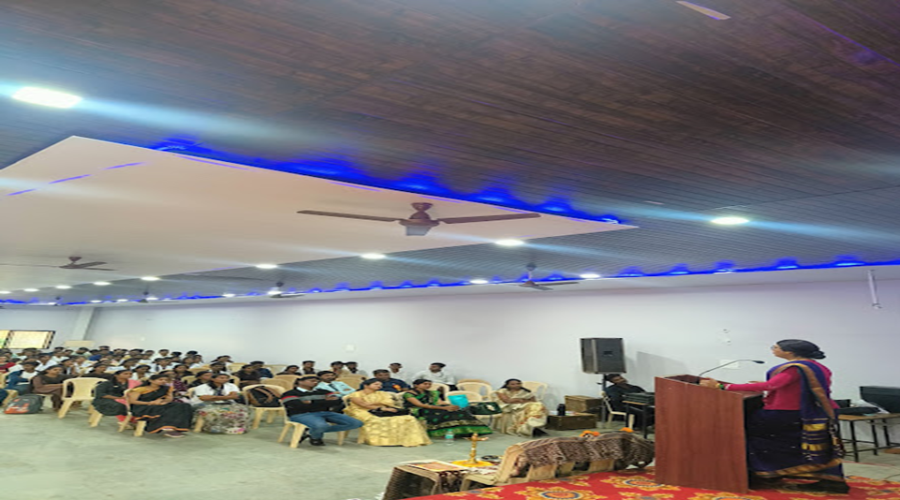
Industrial robots are robotic arms that can move in several directions and can be programmed to carry out many different types of tasks in different environments. These industrial robots can work:
In varying environments like high-pressure and vacuum chambers.
In clean workrooms and in terribly dirty areas.
In dangerous areas where threats of explosions, infections, radiation, or other extreme hazards are present and dangerous to humans.
Robotic arms can be equipped with specialized grippers to work with delicate and fragile objects, while other robotic arms can have grippers that can grasp and lift loads weighing several tons.
Robotic arms can be equipped with any type of tool. These tools are used with precision, accuracy, speed, and repetitiveness that can not be matched by humans.
These robotic arms can have a multitude of sensors and vision systems capable of viewing images to aid with their computer-based control. That sensor and vision feedback can be used with artificial intelligence to make decisions about the behavior of the robotic arm.
Industrial robots and automation are an important part of the manufacturing of most products produced in today’s world.
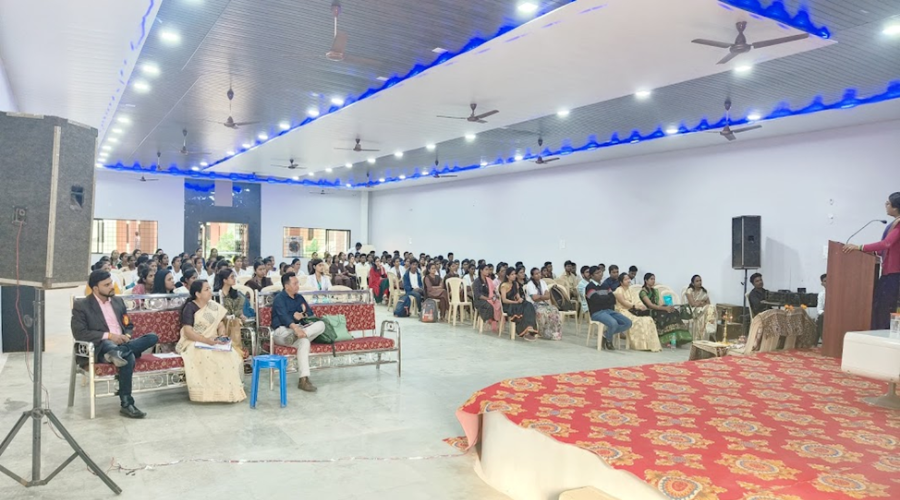

VISIT IN UMA PLASTICS COMPANY

VISIT IN UMA PLASTICS COMPANY

VISIT IN NAREND AGRO IMPLEMENTS
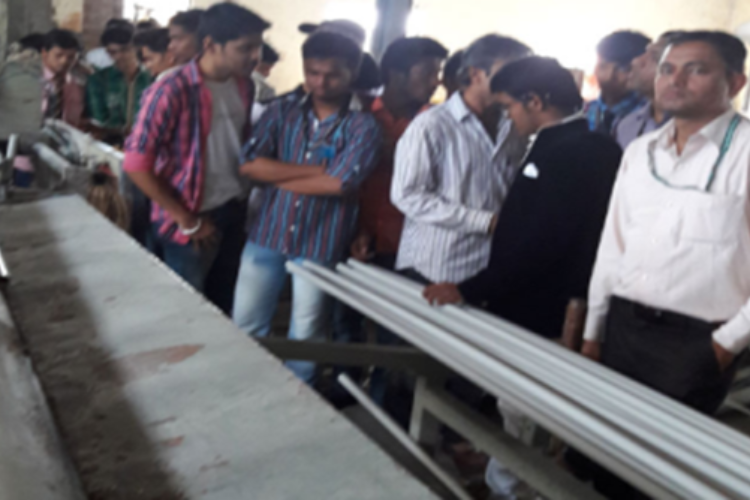
VISIT IN ASHOK LEY LAND, Gadegan Sakoli Taluk Bhandara

VISIT IN KISAN MILK INDUSTRY Bhandara

VISIT IN SUNFLAG IRON & STEEL LTD. Bhandara

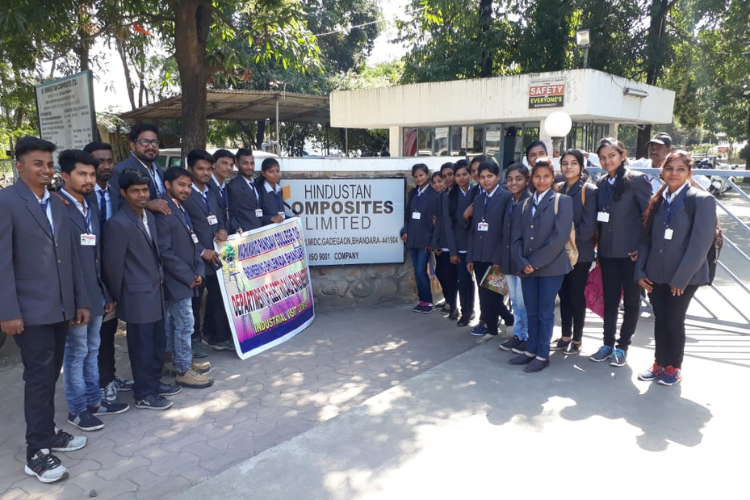
VISIT IN HINDUSTAN COMPOSITES LTD. Gadegaon, Dist. Bhandara

VISIT IN KISAN MILK INDUSTRY Bhandara

VISIT IN SUNFLAG IRON & STEEL MANUFACTURING COMPANY LTD. Bhandara

VISIT IN HINDUSTAN COMPOSITES LTD, Gadegaon, Dist. Bhandara

VISIT IN ASHOK LEY LAND, Gadegan Sakoli Taluk Bhandara